How golf prepares kids to overcome challenges 

Every golf parent has watched it happen. Your child lines up a putt, swings with confidence and misses. Maybe their shoulders drop. Maybe there’s a frustrated sigh. And in that moment, you might wonder: Is this good for them? 

At First Tee, we’d say yes. 

Golf is one of the few sports that puts a young person face-to-face with failure on almost every hole, and that’s exactly what makes it such a powerful teacher. When kids learn to navigate a missed shot, a bad round or a score that didn’t reflect their effort, they’re building something far more important than their game. They’re building resilience. 

The scorecard doesn’t lie, and golf’s honesty can be uncomfortable at first. But over time, it teaches kids to take ownership of their performance — a life skill that carries far beyond the course. 

At First Tee, our coaches create a safe space where that accountability feels empowering, not defeating. Young people learn that a bad shot isn’t a reflection of who they are. It’s information. It’s an opportunity to adjust, refocus and try again. 

What bouncing back looks like 

Resilience isn’t about pretending failure doesn’t hurt. It’s about developing the tools to move through it. At First Tee, we view failure as a “First Attempt ILearning,” recognizing there’s always a lesson to be gleaned when things don’t go right. 

In First Tee’s curriculum, participants work on skills like emotional regulation, positive self-talk and setting goals, which all come naturally on the course. When a young person learns to take a breath after a bad hole and approach the next tee box with a fresh mindset, they’re practicing exactly the kind of response that will serve them in a tough exam, a difficult friendship or a challenging moment at work someday. 

That kind of reflection doesn’t happen by accident. It happens because coaches are asking the right questions, creating space for young people to process their experiences and grow from them. 

“We’ve watched Blayze transition from reacting to challenges to strategically managing them,” said Landon and Holly Chapman, parents of First Tee – Indiana participant, Blayze Chapman. “By applying the STAR (Stop, Think, Anticipate, Respond) model, he’s replaced frustration with perseverance and judgment. Whether he’s navigating a double-bogey or a heavy academic week, he no longer lets a single moment define his day. He’s learned to ‘reset’ with a level of composure that most adults struggle to maintain, proving that his character is anchored in something much deeper than a scorecard.” 

The role parents play in the process 
Here’s something we hear from families all the time: The lessons don’t stay on the course. While First Tee programming is typically delivered in golf settings, the goal is for parents to see their children handling frustration differently at home, in school and in other activities Our aim is for participants to grow in patience and become more articulate about their feelings. 

Of course, parents play a big role in that. When your child comes home after a tough round, how you respond matters. Instead of jumping to fix the problem or minimize their frustration, try asking open-ended questions: What was the hardest part today? What would you do differently next time? What’s one thing you’re proud of, even if the score wasn’t what you hoped? 

These conversations reinforce what your child is learning at First Tee and help them internalize the idea that struggle is a normal, even necessary, part of growth. 

“Golf has given Blayze a quiet, internal confidence rooted in responsibility and integrity,” said the Chapmans. “Through First Tee, he’s developed the social dexterity to engage with mentors and the self-assurance to lead his peers.” 

To support First Tee and its efforts to teach life skills and values through golf, consider becoming a Donor Ambassador today! 
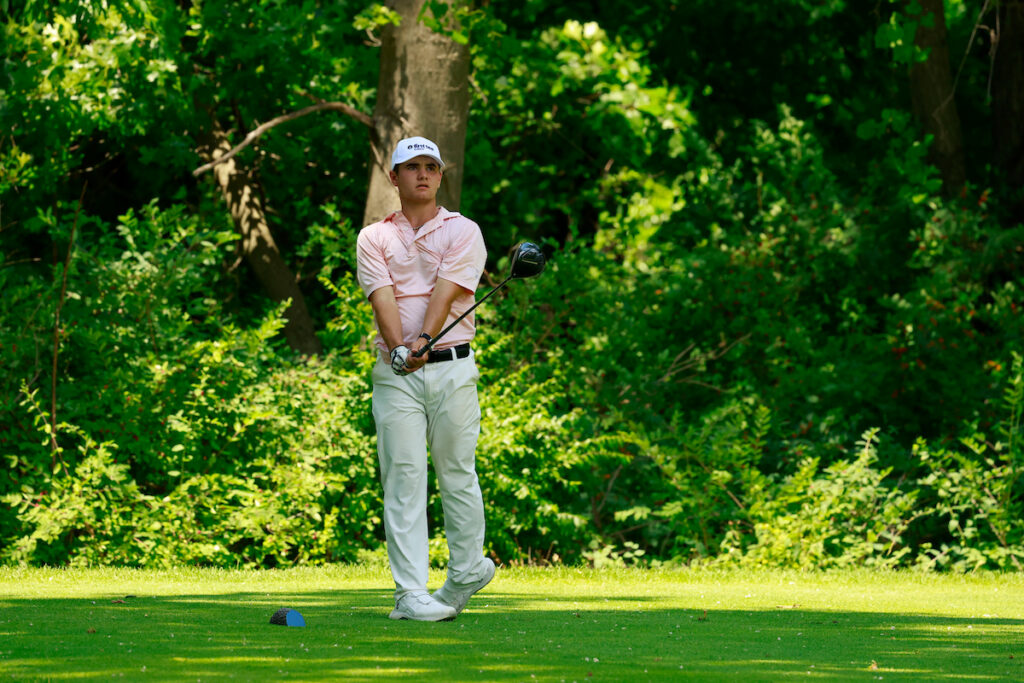
Izzy Kornmeyer shares the transformative power of golf 

Izzy Kornmeyer didn’t know how to hold a golf club when she started at First Tee – Indiana in 8th grade. Now, as a high school senior and varsity golfer, she can’t stop thinking about the game that has completely changed her life. 

“Golf has changed me for the better, and I am forever grateful for it,” she said. 

Izzy’s golf journey started with Sunday mornings watching her dad and grandpa head out to play. When she decided to try high school golf, her mom signed her up for First Tee, hoping the program would give her daughter the foundation she needed. 

That first tournament was humbling. After top-slicing her opening drive, Izzy shot 110. But instead of giving up, she leaned into the challenge. Several summer tournaments and countless practice sessions later, she returned to that same course and shot 83, proving what dedication and perseverance could accomplish. 

Now Izzy is preparing to play collegiate golf at St. Thomas University in Miami, where she’ll be a first-generation college student. 

Finding her voice 

The transformation wasn’t just about golf scores. Izzy arrived at First Tee as a quiet, uncertain beginner who felt out of her element. Over four years, she evolved into a confident mentor and leader who now helps launch new First Tee – Indiana initiatives through the Leaders In Training Program. 

Her leadership extends far beyond the golf course. Izzy serves on First Tee – Indiana’s Participant Advisory Council and was chosen as a Youth Deacon at Second Presbyterian Church.  

Izzy’s approach to leadership is guided by her faith and the values she’s developed through First Tee. She lives by Matthew 20:26: “Whoever wants to become great among you must be your servant.” 

“I now understand that true leadership isn’t about being in control,” Izzy said. “It’s about being present, expressing kindness and prioritizing other people before yourself.” 

Whether she’s volunteering in the church nursery, creating encouraging TikTok content or being the first to help others at First Tee – Indiana, Izzy leads with kindness and compassion. 

Making an impact 

When she’s not competing, Izzy is often watching professional golf, practicing and or giving back to others. In 2024, she attended the First Tee Innovators Forum in Phoenix. During the event, participants plan service projects they execute in their communities. Izzy ultimately collected 700 full-sized hygiene products and $500 for the Julian Center, Indiana’s largest organization supporting victims of domestic violence, sexual assault and other crises. 

Her journey from a nervous beginner who couldn’t grip a club to a confident leader who helps others find their own path proves what First Tee has always known: With the right support, young people can achieve remarkable growth. 

For Izzy, that growth has been about more than improving her golf game. It’s been about discovering her voice and leading with kindness – one shot, one challenge and one act of service at a time. 

Why ‘one and done’ doesn’t work: the science behind how your child learns life skills

By Kristin Westberg – Senior Director, Training & Evaluation

Think about how your child learned to ride a bike. Did they master it after one explanation? Of course not. They practiced over and over, fell down, tried again and eventually, it clicked.

That’s exactly how First Tee’s life skills work, too.

When your child learns about STAR (Stop, Think, Anticipate, Respond) during their first golf session, they’re just getting introduced to the concept. But they’re also focused on their grip, wondering if they’ll make the putt, and probably thinking about what’s for dinner. That first exposure is just the beginning.

The real learning happens through repetition

The magic happens when your child encounters STAR again and again in different situations. Maybe their coach references it after a bad shot: “Remember STAR? Let’s stop for a second. What happened there?” Now they’re connecting it to a real moment of frustration.

Each time First Tee coaches revisit a life skill, they’re helping your child see patterns and build a framework they can access when emotions run high. They’re showing that these aren’t just things “Coach says” but tools they can apply off the golf course.

Take the 4 Rs: Relax, Replay, Ready, Redo. The first time a coach walks your child through this after a mishit, they’re hearing four steps while feeling embarrassed. But by the fifth or tenth time, you’ll start seeing them do it on their own. They’ll take a deep breath, step back, and reset — not because someone explained it perfectly once, but because their coach consistently showed them how.

What the science says

Here’s what research tells us about how kids learn (and what you probably already know from watching your own child):

Kids need to see concepts in multiple contexts before they can transfer them. Their brains are literally building neural pathways that get stronger each time they practice. One exposure creates awareness. Multiple exposures create competence. In fact, learning research suggests people typically need about seven exposures to new information before they can truly retain and apply it, which is why consistent coaching across different situations matters so much.

Developmentally, your child isn’t the same kid they were six months ago. The 8-year-old who needed help thinking through consequences is now 9 and ready to anticipate them more independently. When coaches revisit life skills, they’re meeting your child where they are now.

You might hear your child’s coach reference the same life skill multiple times throughout the season, and that’s intentional. They’re not being redundant; they’re being effective. Here’s how First Tee coaches reinforce learning:

  • Naming it when they see it. When your child demonstrates grit or uses a life skill independently, coaches call it out in the moment.
  • Connecting across contexts. Coaches reference the same life skill in different situations – on the green, on the range, in the classroom and more.
  • Asking reflection questions at the end of each class. “Where else have you used STAR this week?”
  • Modeling it themselves. Coaches let participants see them using these skills when facing their own challenges.
  • Celebrating progress, not perfection. Coaches notice when your child applies a life skill even imperfectly because that’s growth.

Supporting this learning at home

The beauty of First Tee’s approach is that these skills extend far beyond the golf course. When you hear your child mention STAR, the 4 Rs, or FAIL (First Attempt In Learning), you can reinforce what they’re learning:

  • Ask them to explain the skill to you
  • Notice when they use it at home and acknowledge it
  • Reference it yourself during challenging moments
  • Be patient — just like with golf, mastery takes time

The goal isn’t to “cover” a life skill once and check the box. The goal is to help your child internalize these skills so deeply that they become automatic, building something that lasts long after their time on the golf course.

So when you hear the same concepts come up again and again throughout the season, know that it’s all part of the plan. Each conversation, each reminder, each connection is building the foundation for the game changer your child is becoming.

Actor, avid golfer Michael Peña joins First Tee as Brand Ambassador

Peña will support First Tee’s efforts to bring its game-changing golf and life skills curriculum to young people from all backgrounds

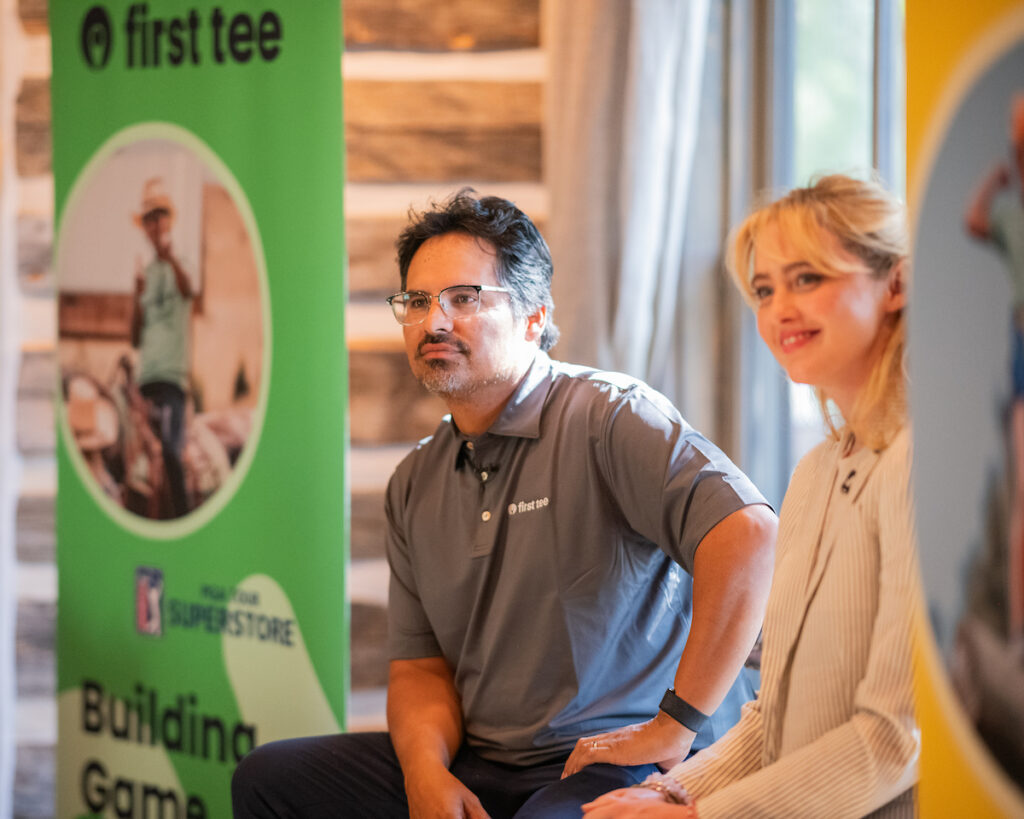
PONTE VEDRA BEACH, Fla. (Feb. 20, 2026) – Youth development organization First Tee is proud to announce that actor Michael Peña has joined the organization as a Brand Ambassador. As a longtime golfer, Peña is enthusiastic about bringing the sport and its inherent values to families across the globe. 

Known for roles in films and television series including “Ant-Man,” “A Million Miles Away” and the recent hit series, “All Her Fault,” Peña has been a dedicated supporter of First Tee since 2023, when he first attended the organization’s annual Leadership Summit as a guest speaker. The Summit brings together teen participants from First Tee chapters across the country for leadership development, networking and golf. 

As a Brand Ambassador, Peña will support First Tee’s efforts to reach kids from all communities with programming that uses golf as a vehicle to help young people build inner strength, self-confidence and resilience. Through First Tee’s network of 150 chapters, the organization serves young people ages 5-18 with programs that extend beyond the golf course and into participants’ homes, schools and communities. First Tee also offers robust scholarship and alumni programs

An accomplished golfer himself, Peña regularly competes in pro-am events and has witnessed firsthand how the game can positively impact its players. 

“Golf has been an important part of my life, teaching me patience, discipline and how to handle both success and failure,” Peña said. “I’m honored to become a Brand Ambassador and help First Tee reach even more young people with programs that will help them succeed on the golf course and beyond.” 

“Michael’s genuine passion for golf and his commitment to empowering young people make him an ideal Brand Ambassador as we work to reach more kids with our life-changing programs,” said First Tee CEO Greg McLaughlin. “Michael has inspired teens at our Leadership Summit with his authenticity and his message about the power of perseverance. We are grateful he is taking his valuable time and energy to support First Tee.”  

First Tee reaches more than 3 million young people annually through programming at chapters, schools and community centers. Peña joins three existing First Tee Brand Ambassadors: Actress and First Tee alumna Kathryn Newton and PGA TOUR players Alex Smalley and Austin Smotherman, who is also a First Tee alumnus. 

Encouraging every player to shine: How First Tee addresses gaps in golf skills  

If you’ve ever worried about signing your child up for a new activity because they might be “behind” other kids, you’re not alone. It’s a common concern among parents, and one we hear when families are considering First Tee programs. 

Here’s what we want you to know: At First Tee, we’ve designed our approach so that every participant can learn, grow and have fun, regardless of where they start. 

We’ve found kids and teens genuinely enjoy being around their peers. That’s why most First Tee Chapters offer age-based programming, rather than grouping kids by skill level. This allows players to connect, laugh and learn from each other in ways that transcend golf skills. 

“First Tee coaches intentionally create optimal learning environments for participant success — fostering friendship, golf skill development and fun on the course,” said Lauren Kyaw, manager of First Tee’s coach program. “Through coaching strategies and coachable moments, coaches meet participants where they are and guide them toward mastery.” 

But we also know that a 10-year-old who’s never held a golf club has different needs than a 10-year-old who plays regularly. That’s why our coaches take a thoughtful, individualized approach within each class. 

How we make it work 

At the start of each session, our coaches determine where each participant stands with their golf skills, not through an assessment but by observing their performance in fun games and drills. This isn’t about labeling anyone or creating pressure but about understanding how we can best support each player’s journey. 

From there, we use several strategies to ensure everyone is appropriately challenged and engaged: 

Personal Par is one of our favorite concepts. Instead of holding everyone to the same standard, we encourage each player to set their own goals for activities. A beginner might aim to make contact with the ball three times in a row, while a more advanced player might work on hitting a specific target. Both students are working hard, both are achieving something meaningful and both are experiencing success. 

Flexible grouping means that while the class stays together as a unit, we’ll group players by skill level when introducing more complex techniques. At the same time, we intentionally pair advanced players with beginners during team challenges. This builds camaraderie across skill levels and allows everyone to contribute their strengths. 

Optimal challenge ensures that activities cater to multiple skill levels. Every student faces appropriate challenges … not too easy, not too frustrating, but just right for where they are in their development. 

The power of peer mentorship 

Here’s something special that happens when you mix skill levels: advanced players become natural leaders and mentors. We’ve seen countless students light up when given the opportunity to help a classmate or demonstrate a skill. This doesn’t just reinforce their own learning, it builds confidence, empathy and leadership abilities that extend far beyond the golf course. 

Many chapters also offer teen activities where golf isn’t the focus. From opportunities to build leadership skills, like teen advisory boards, to social events, like movie nights, bowling and other outings, these activities allow players of all skill levels to interact and build friendships off the course. 

Coaching that adapts to each student 

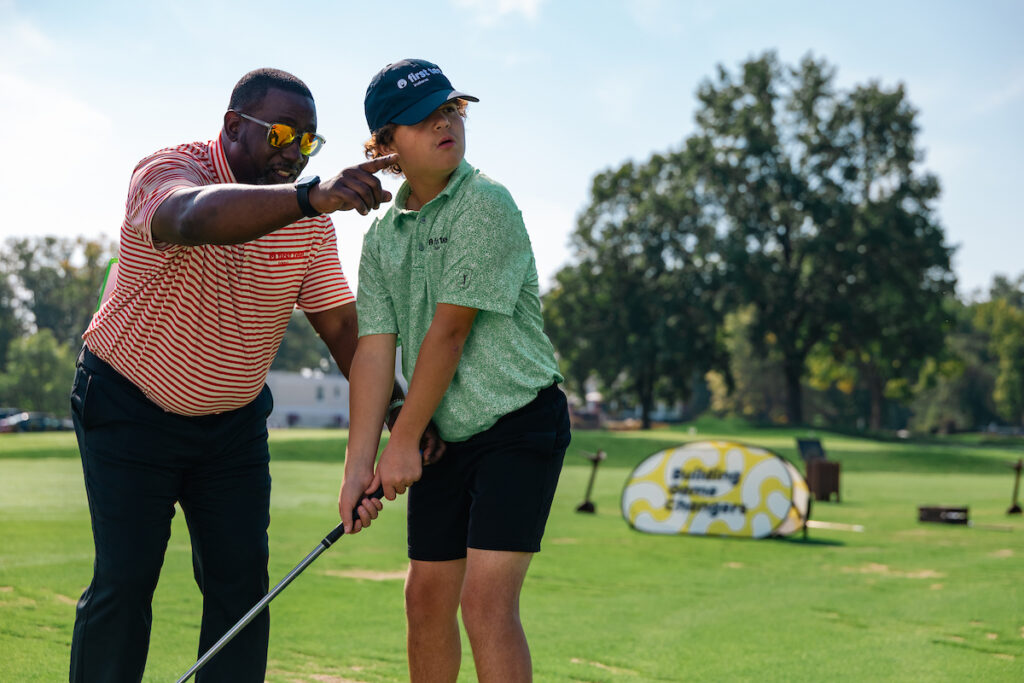
Our coaches understand that feedback isn’t one-size-fits-all. A student who’s just starting out might need encouragement and simple adjustments, while a more experienced player might benefit from more technical guidance. Our coaches modify their feedback to fit each player’s needs and learning style, ensuring that everyone receives the support that will help them improve. 

Your child doesn’t need to know anything about golf to thrive in a First Tee program. They don’t need to be naturally athletic or have prior experience. They just need to show up ready to try, to learn and to be part of a community that values growth over perfection. 

“Regardless of participants’ golf skill level, coaches bridge activities back to everyday life, helping youth overcome challenges, set goals and deal with adversity,” Kyaw said. “This ties back to First Tee’s mission and purpose: empowering participants to build character and instill life-enhancing values through golf, values they will carry far beyond the course.” 

Learn more about supporting First Tee. 

At what age should my child start playing golf? 

If you’re wondering when your child is ready to start playing golf, you’re asking the right question. The good news? There’s no single “perfect” age to begin, but there are some helpful guidelines. 

Most First Tee chapters offer age-based programming – typically starting with 7–9-year-olds – so participants play alongside their peers, who are usually at similar stages of development in terms of attention span, strength and hand-eye coordination. That said, younger children can certainly be introduced to golf, and some First Tee chapters do this in playful, age-appropriate ways.  

It’s about more than the swing 

At First Tee, we’ve seen firsthand that starting golf isn’t just about learning to hit a ball: It’s about what the game teaches you along the way. Through golf, kids develop perseverance when a shot doesn’t go as planned, integrity when keeping score and respect for others sharing the course. These character-building moments happen whether your child picks up golf at 7 or 17. 

Our programs are designed to meet kids where they are developmentally, focusing on fun, skill-building and life skills education.  

Rather than focusing solely on age, consider whether your child: 

  • Shows interest in the game (maybe they’ve watched golf on TV or asked about it) 
  • Can follow basic instructions  
  • Enjoys outdoor activities and trying new things 
  • Is ready to practice patience — golf rewards persistence, not perfection 

Starting Points Beyond Age 

The right time also depends on the environment you’re introducing them to. Programs like First Tee emphasize inclusivity, character development and creating a welcoming space for beginners. This supportive atmosphere can make all the difference, regardless of when your child starts. 

If your child is older and just discovering golf, that’s perfectly fine too. We’ve seen teenagers find their passion for the game and develop the same valuable life skills as those who started younger. Golf is a lifelong sport, and there’s truly no age when it’s “too late” to begin. 

Find a First Tee chapter near you and give your child the opportunity to experience the game that teaches so much more than golf. 

First Tee’s 2026 national events connect teens with mentors, experiences that shape their futures

Signature programs bring young people face-to-face with business leaders, professional athletes and life-changing opportunities

PONTE VEDRA BEACH, Fla. (Jan. 26, 2026) – First Tee is pleased to announce its 2026 lineup of national participant events, offering teens powerful opportunities to grow as leaders, athletes and changemakers. Through partnerships with leading companies, organizations and generous individuals, First Tee provides experiences that challenge young people to step outside their comfort zones and discover their potential in supportive environments.

These national events are part of First Tee’s broader commitment to keeping teens actively engaged during the critical adolescent years, a need underscored by research from First Tee and The Harris Poll showing that nearly 90% of parents believe character development deserves greater emphasis in today’s society. Through First Tee’s Ace capstone program, junior coach opportunities and immersive national events, First Tee builds essential life skills and creates lasting mentor connections that help teens navigate this pivotal stage of development.

2026 Participant Events include:

Leadership Series (March 2026): In partnership with PGA TOUR Superstore, this five-week program guides participants through discovering their unique leadership values and strengths. It is held at PGA TOUR Superstore locations across the country.

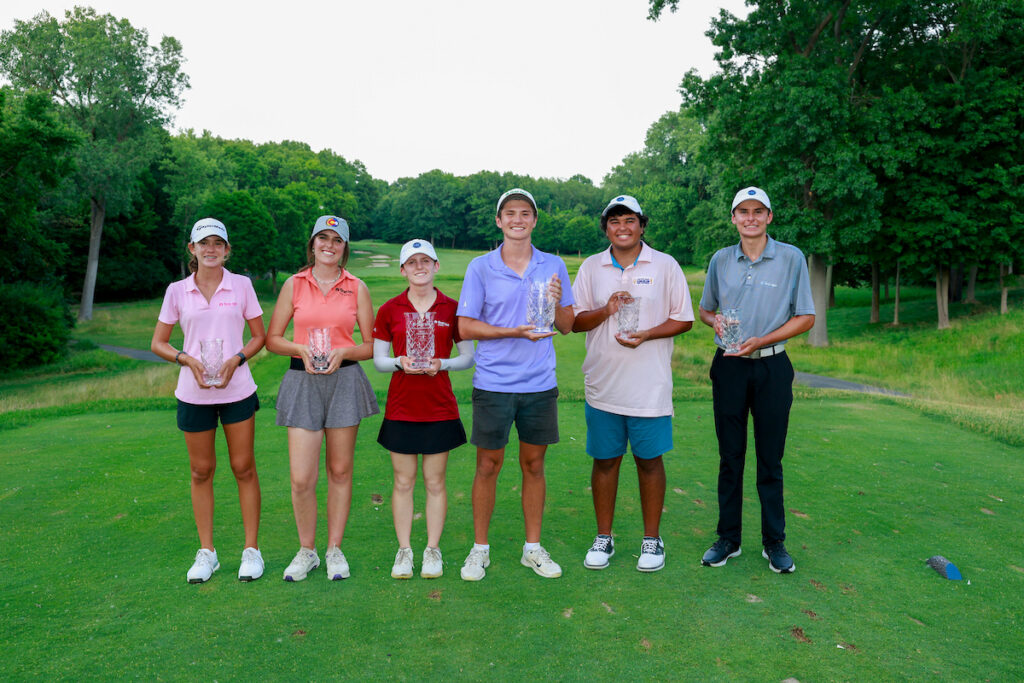
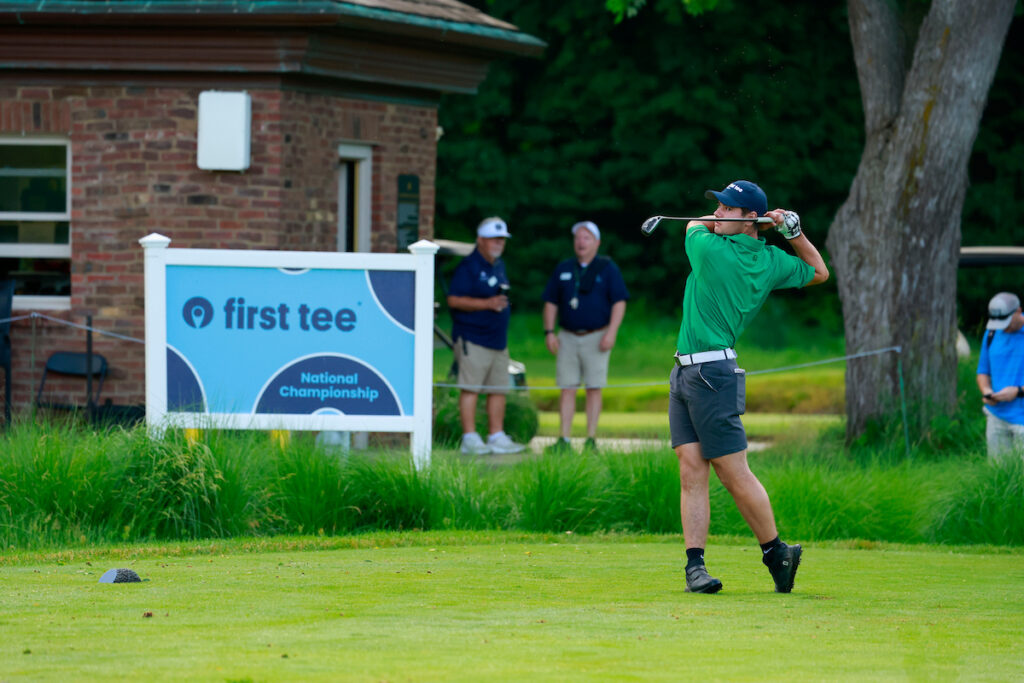
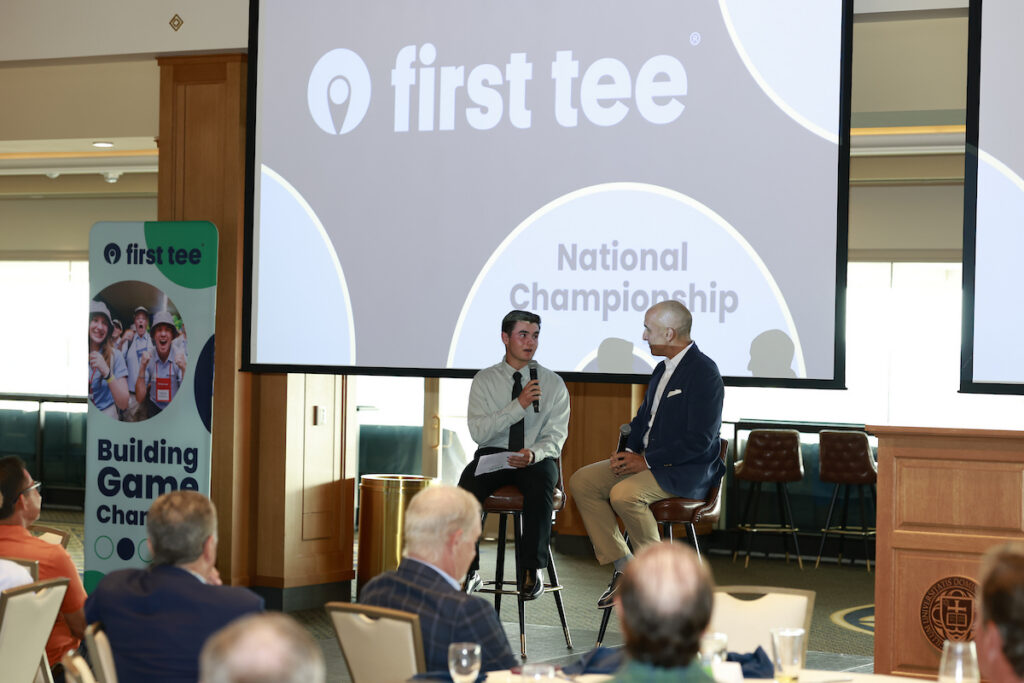
National Championship (June 21-25, 2026): The University of North Carolina’s Finley Golf Club will host First Tee’s top high school golfers as they demonstrate their character and competitive skills developed through the program.

Game Changers Academy (July 18-22, 2026): Now in its 26th year, this signature event returns to Minneapolis, challenging teens to celebrate their unique perspectives and create positive change in their communities.

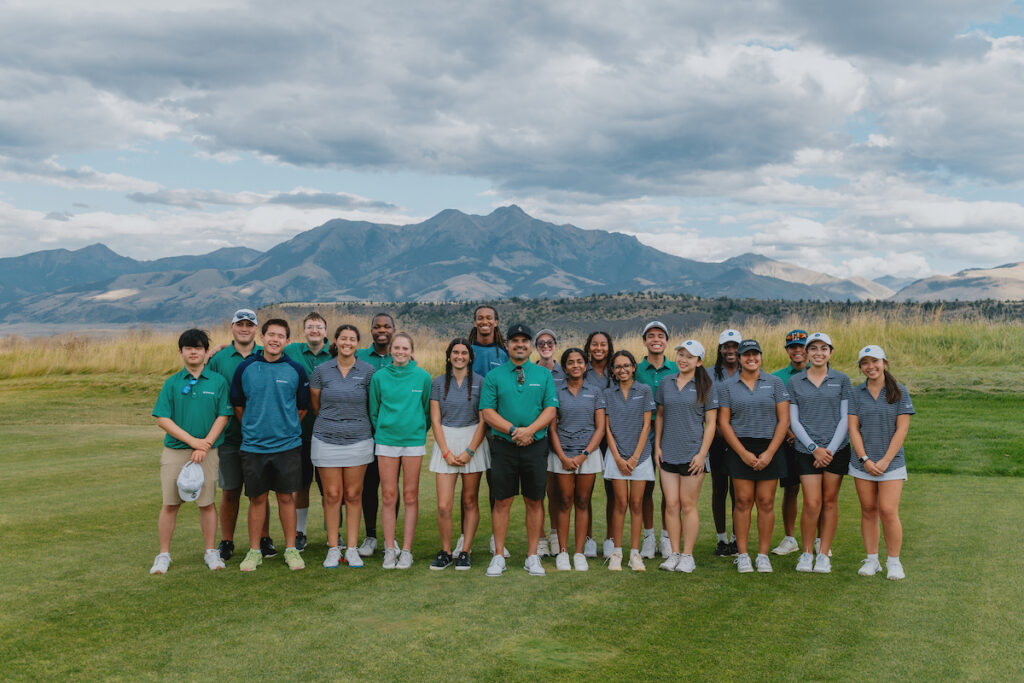
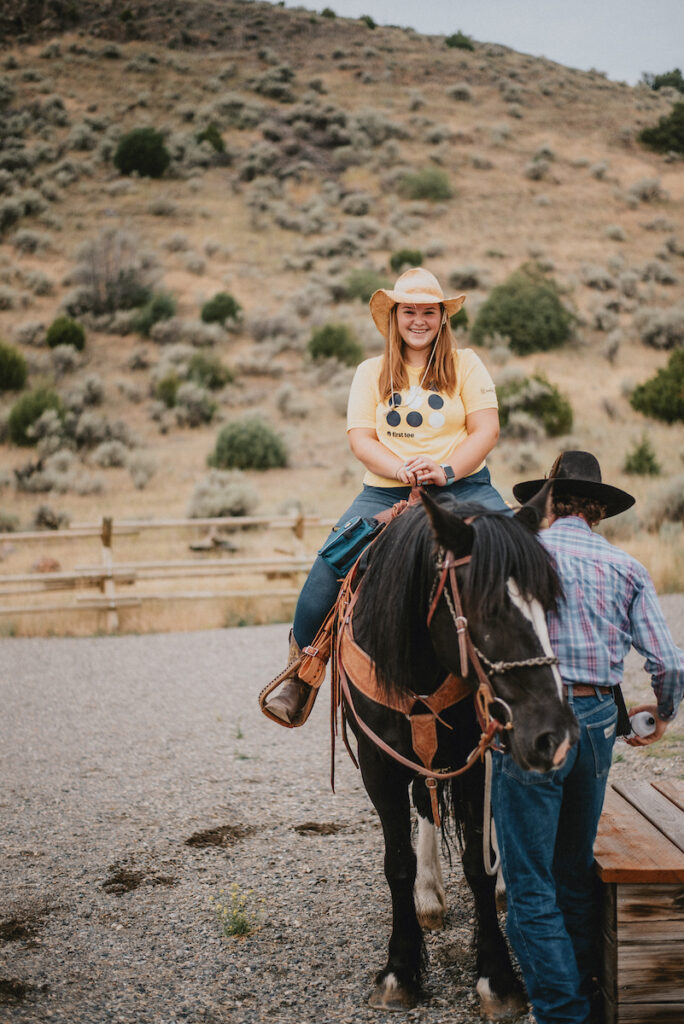
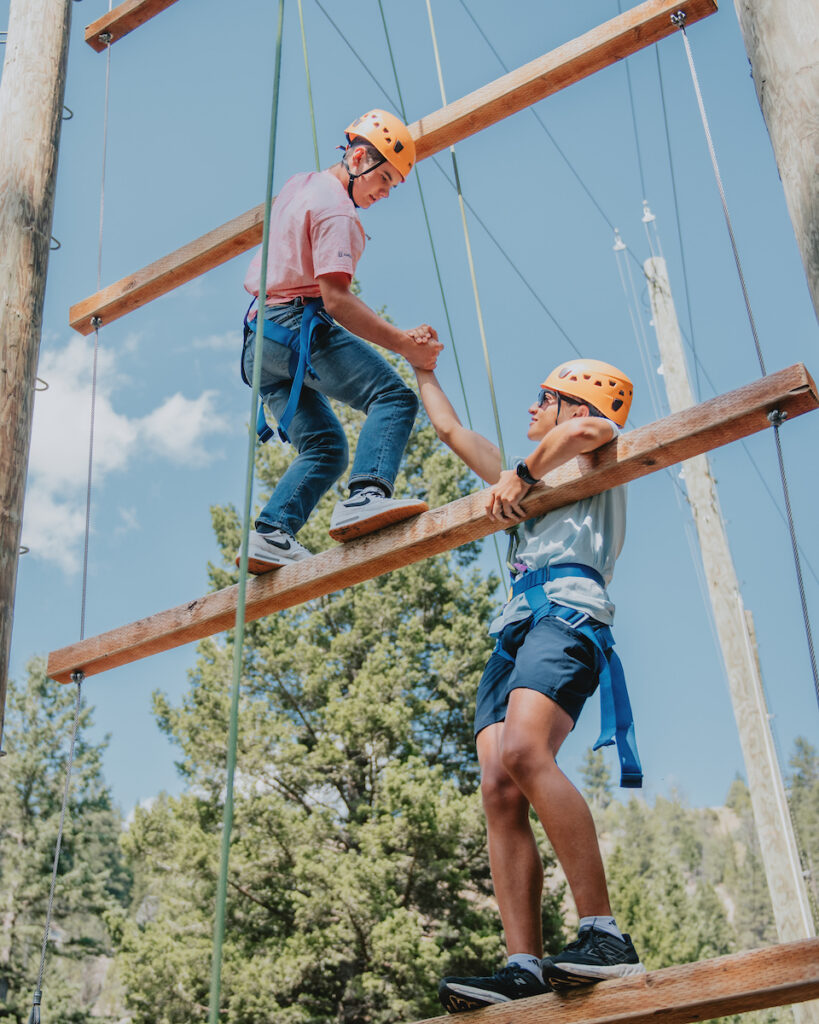
Leadership Summit (Aug. 3-7 and 10-14, 2026): Leadership Series graduates can apply for this adventure-based learning experience at West Creek Ranch in Montana, where PGA TOUR Superstore executives mentor participants through activities like horseback riding and whitewater rafting, designed to strengthen their leadership capabilities.

PURE Insurance Championship (September 15-20, 2026): At the iconic Pebble Beach Golf Links, teens compete alongside PGA TOUR Champions players and connect with business leaders in an event broadcast on Golf Channel, blending elite golf with career mentorship.

Drive Your Future Academy (Oct. 8-12, 2026): In partnership with John Deere, this event brings young women to Ponte Vedra Beach, Florida, to connect with accomplished female mentors from John Deere and other leading organizations and explore pathways for continued involvement in golf and leadership beyond high school.

Innovators Forum (Nov. 15-19, 2026): Participants collaborate with seasoned business and nonprofit leaders in Amelia Island, Florida, to design and launch community service initiatives that make a difference in their hometowns.

First Tee participant events provide opportunities for teens to pursue their interests, expand their horizons and grow as people. For some, these events represent their first time on an airplane, visiting a college campus or traveling on their own. This freedom gives teens the opportunity to use good judgment, grow through challenge and build positive self-identity.

“These events represent some of the most meaningful moments in our participants’ First Tee journey,” said First Tee CEO Greg McLaughlin. “We consistently hear from teens, parents and coaches that these experiences help crystallize what is possible for their futures. We are deeply grateful to AWS, John Deere, PGA TOUR Superstore, PURE Insurance, Topgolf and countless individual supporters who invest in these life-changing opportunities.”

First Tee’s national participant events serve more than 300 teens annually. Interested teens and parents should reach out to their local First Tee chapter for application information. The First Tee National Championship, Game Changers Academy and PURE Insurance Championship are currently accepting applications through March 18. High school seniors can also apply for the First Tee College Scholarship Program.

First Tee is a nonprofit youth development organization that empowers young people through the game of golf, helping them develop inner strength, confidence and life skills they’ll use on and off the course.

Building bridges: How First Tee chapters create lasting impact through community partnerships

When First Tee chapters set out to serve young people, they don’t do it alone. The 2025 Barbara A. Douglas and Dr. William J. Powell Community Award winners demonstrate how strategic community partnerships can transform lives and strengthen entire communities. 

These three chapters share the common understanding that meaningful impact requires more than programming. It requires building authentic relationships with schools, community organizations and local institutions that share First Tee’s commitment to youth development. 

Meeting youth where they are 

First Tee – Greater Richmond has mastered the art of bringing golf and life skills directly into students’ daily lives. Through their partnership with Henrico County Public Schools, the chapter hosts over 25 Title I field trips each school year. But they’ve taken accessibility even further with Anna Julia Cooper School, a charter school in Richmond’s East End. What started as a pilot program in 2023 now allows middle school students to select golf as an elective and travel to First Tee’s facilities for immersive curriculum delivery. 

The results speak volumes: In 2024, First Tee – Greater Richmond reached more than 70,000 kids and teens, with female participation growing to 42% and over 60% of participants representing ethnically diverse backgrounds. 

Leading with representation 

First Tee – Birmingham understands that inclusion starts with who’s leading the program. The chapter has intentionally built a leadership structure that reflects the communities it serves, with a diverse board and coaching staff, partnering with HBCUs like Miles College to build this pipeline. It outpaces the First Tee network average, with more than 40% of participants coming from underserved communities, as defined by the Distressed Communities Index

Through community partnerships with Birmingham City Schools, i3 Academy and the Birmingham Housing Authority, the chapter brings programming directly to students who need it most. Full program scholarships for families who qualify for free and reduced lunch ensure that financial barriers never prevent participation. 

Scaling through strategic collaboration 

Under the leadership of executive director Henry Pointer, the first African American PGA Professional from Louisiana, First Tee – East Baton Rouge Parish has increased participation by over 110% in just three years. 

“Most of our community programs are located in underrepresented areas of the city,” Pointer said. “The fact that I grew up in a community such as that gave me the opportunity to play a part in impacting kids in those areas is a huge benefit to me.” 

Its partnership with Baton Rouge Recreation and Parks provides access to five public golf courses, office space and paid staff at no cost to First Tee. But BREC benefits too: First Tee provides valuable data that helps it gain and maintain accreditations. 

The chapter’s comprehensive partnership portfolio includes the 100 Black Men, Empower 225, four YMCA locations, the Louisiana National Guard summer youth camp and the Baton Rouge Youth Coalition. 

The power of sustainable partnerships 

What sets these chapters apart isn’t just the number of partnerships they’ve formed but the intentionality behind them. They seek organizations with similar missions, build relationships that benefit all parties and commit to ongoing engagement. 

Community partnerships don’t just expand reach but deepen impact, one young person at a time. The Barbara A. Douglas and Dr. William J. Powell Community Award is presented in partnership with Golf Digest, which will make donations to support the efforts of all three winning chapters. 

Vivian D’Orazi: From identifying my strengths to finding my calling

Vivian D’Orazi is an alumna of First Tee — Metropolitan New York and a First Tee Scholar. Now a senior and member of the golf team at York College of Pennsylvania, Vivian reflected on one of the most impactful experiences she had at First Tee:

At just 5 years old, I had no idea how much of an impact First Tee would have on my life. What started as weekly classes quickly turned into something so much more, a community that gave me a coach who feels like family, lifelong friends, and opportunities I never could’ve imagined. Today, I’m playing collegiate golf and pursuing a degree in marketing, all thanks to the foundation First Tee helped me build.

One of the most impactful experiences I’ve had through First Tee was participating in a five-week Leadership Series with PGA Tour Superstore. During this program, which takes place at PGA TOUR Superstore locations across the country, I took a deep dive into who I am, identifying my personal strengths, values, and the direction I wanted to take in life.

As part of the series, we were challenged to explore careers that aligned with our individual strengths and values. I discovered that my top strengths include achiever, arranger, relator, restorative, and belief. My values, integrity, family, teamwork, and helping others, also became clear.

At first, I wasn’t sure how those qualities could translate into a career. But after doing some research and reflection, I realized that marketing might be a good fit. From there, I began exploring the many paths within marketing, and that’s when I found something that truly sparked my interest, event marketing. The idea of creating meaningful experiences for others, moments they’ll remember and enjoy, resonated with me deeply.

I’ve made so many core memories at sporting events as a kid, laughing and cheering with my family and friends. Now, I want to help create those same experiences for other people. That’s where my strengths and values really come to life, through collaboration, creativity, and a desire to bring joy to others.

Leadership Series opened a door I didn’t even know existed. It’s what led me to major in marketing in college, and now, in my senior year, I feel more confident than ever in the path I’m on.

At the end of the five-week series, I was honored to be selected for the First Tee Leadership Summit in partnership with PGA TOUR Superstore in Montana, an experience that took everything to the next level. I rode a horse for the first time, went white water rafting, and took in some of the most breathtaking views I’ve ever seen. But more than that, I stepped outside of my comfort zone in ways I never expected. I took on new challenges, embraced different ways of thinking, and began to view leadership through a broader, more empowering lens.

Being surrounded by other motivated, passionate First Tee participants in such a beautiful place helped me grow not just as a leader, but as a person. It gave me the confidence to use my voice, trust in my abilities, and believe in the power of staying true to my values.

Looking back, I’m incredibly grateful for how far I’ve come, and even more thankful for the experiences and people who helped me get here. From taking my first swing with First Tee to now preparing to graduate college with a clear vision for the future, I wouldn’t trade a minute of the journey.

Support First Tee and its life-changing programs by becoming an Ambassador today!
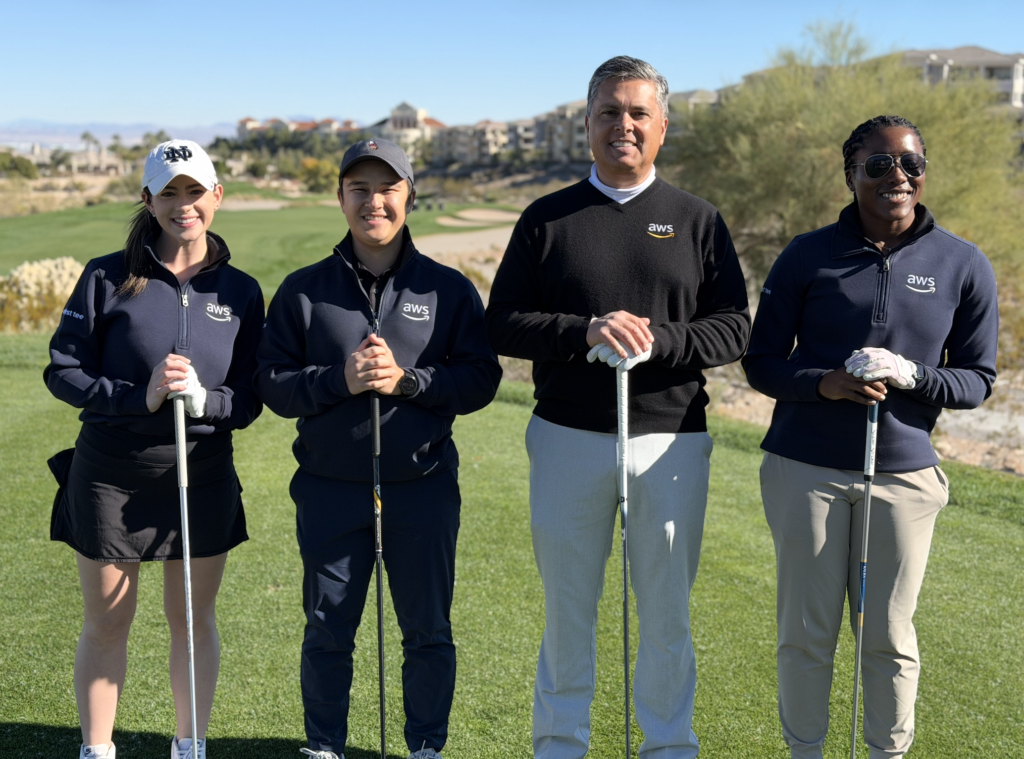
Alex Nguyen’s First Tee journey goes well beyond graduation

For First Tee – Sandhills alumnus Alex Nguyen, the path from learning life skills on the golf course to exploring career opportunities in cloud computing might seem unexpected, but it’s a testament to how First Tee’s foundation prepares young people for success.

Alex’s professional journey has taken him from serving as an infantry officer in the U.S. Army to pursuing an MBA, interning at Amazon and now navigating an exciting transition into the tech industry.

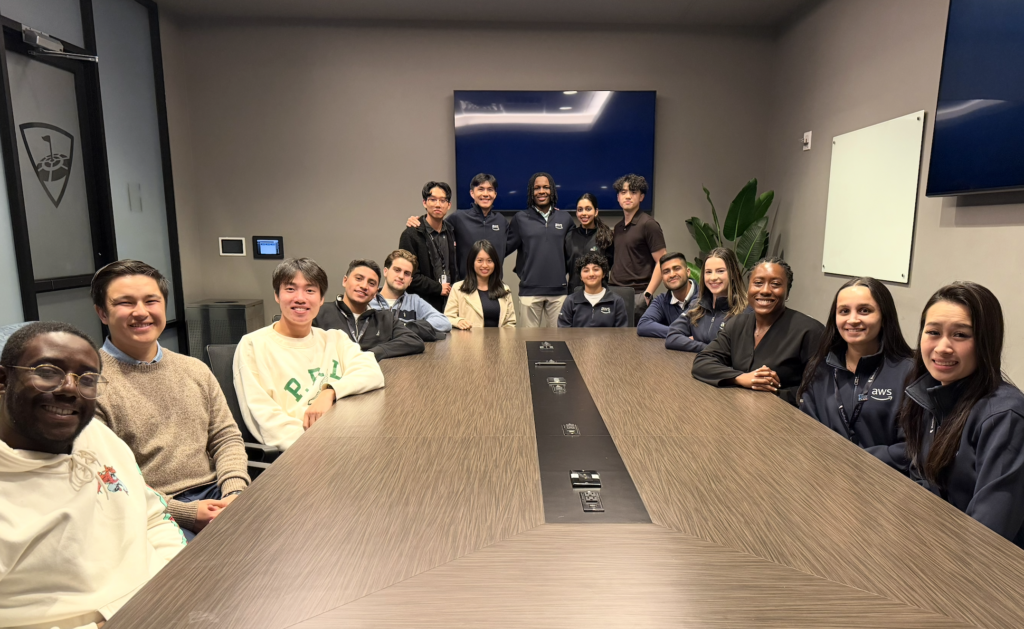
Through the First Tee Alumni Network, he recently attended AWS re:Invent, the world’s largest cloud computing conference, an experience that proved invaluable as he works toward his goal of becoming a program manager who bridges the gap between innovation and the operational frameworks needed to bring them to life.

Expanding what’s possible

Attending re:Invent, an opportunity made possible by First Tee Trustee AWS, helped Alex expand his horizons. “My time at re:Invent allowed me to explore roles and functions I previously knew little about or thought might be unobtainable,” he said.

Learning directly from AWS employees about their journeys in tech helped Alex refine his approach to his own career transition, particularly valuable as he pivots from military service to the private sector. Currently studying for his MBA at Duke University, Alex gained practical insights into how to communicate his value to potential employers, he said.

When asked to describe re:Invent in three words, Alex chose “insightful, exciting, immersive,” a fitting summary for a conference that brings together tens of thousands of technology professionals, innovators and industry leaders. But among the packed schedule of sessions and exhibits, some of Alex’s most memorable moments happened in familiar territory: on the golf course.

“Golf provides the perfect medium for having meaningful conversations and to dive deep into the experiences of AWS partners and fellow First Tee alumni,” Alex said. The golf outing and networking reception at TPC Las Vegas gave him the chance to connect with professionals in an environment where the life skills he learned at First Tee – like communication, confidence and building relationships – came into play.

“Connecting with First Tee alumni who are at various stages in their career and education was a blast,” he said, highlighting the lasting community that First Tee creates.

Enduring values and connections

Alex said First Tee lessons like integrity, perseverance, respect and judgment all carried into his military service and continue to guide him today. Now he’s following his dreams using strategies he learned at First Tee. “Whether it was planning for grad school or preparing for a career transition into tech, I use the framework taught to me by my First Tee coaches and mentors to break down a vision into sets of actionable goals,” he said.

For Alex, staying engaged with First Tee as an alumnus was a natural choice. “First Tee was a constant for me growing up,” he said. But beyond nostalgia, he’s found that the alumni community continues to offer real value, including connections to other young professionals who share similar values. Alex’s experience at re:Invent is just one example of how First Tee’s alumni program creates opportunities that extend far beyond the golf course.

How the stages of youth development inform golf instruction at First Tee 

You can play for a lifetime and never master golf. It’s what keeps many players coming back to the game: the search for the perfect drive, pitch, chip or putt.  

While golfers of all age will attest that there’s always room for improvement, young players can benefit from starting small and learning the sport in ways that are appropriate for their age and stage of development, helping them build confidence and setting them up for success in the long run. 

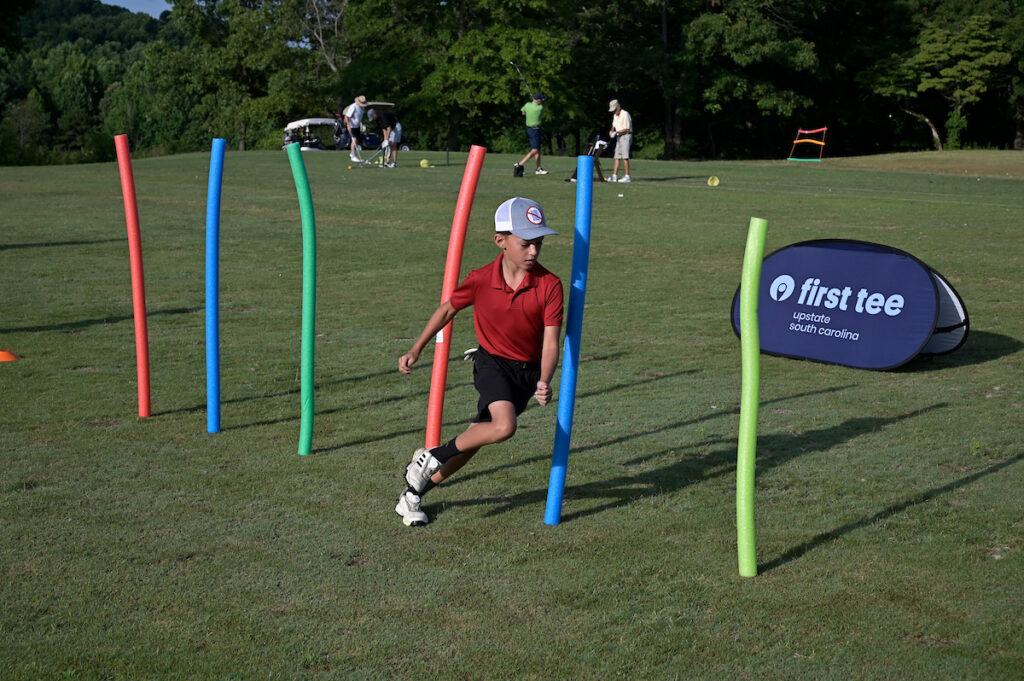
Featuring fun games, colorful landscapes and nontraditional equipment, this might mean a First Tee class will look different from a typical golf lesson, especially for younger players. But they’re designed to teach golf fundamentals, keep kids engaged and teach valuable life lessons that can be applied off the course. 

“At First Tee, we believe that meaningful learning happens when instruction aligns with a child’s developmental stage,” said Kristin Westberg, senior director of training and evaluation. “The shift to age-based learning in our curriculum wasn’t just a structural update; it was a strategic decision rooted in research and our commitment to youth development.” 

“By meeting kids where they are cognitively, socially and emotionally, we’re not only teaching golf more effectively, but we are also helping young people build confidence, character and resilience that lasts far beyond the course,” Westberg said. 

Here’s how the stages of youth development inform our programs: 

Age 7-9 

As the parents of our youngest participants know, there may be moments in these classes where kids aren’t holding golf clubs but practicing more familiar skills that can eventually translate to the course. For example, rolling a ball can help teach kids about distance control on the green, while playing catch can help improve hand-eye coordination. 

 At this age, kids are learning how to be friends, manage emotions and follow directions. That’s why First Tee coaches aim to keep kids moving, offer positive encouragement and provide clear instructions. 

Age 10-11 

During this stage, kids are often improving their fine motor skills and learning to stay on task. It’s also when the concept of “personal best” typically starts to resonate. When working with this age group, First Tee coaches refrain from comparing participants to one another, but rather compare a participant’s past and present performances. 

Through games and activities, kids are learning more complex golf concepts, like pre- and post-shot routine and club selection, but most participants are still focused on having fun and making friends. 

Age 12-13 

Most participants in this age group have chosen golf as their sport, and they’ll typically start picking up new golf skills more quickly. Because this group is advancing rapidly, parents may see skill disparities develop among players, but First Tee coaches are trained to make classes fun and engaging for all skill levels. 

While players in this age group have typically made serious strides in terms of distance response, target awareness, body balance and other golf fundamentals, they’re often facing more social challenges. This age group tends to be more conscious about what others think of them, which is why First Tee coaches are trained to encourage participation in all activities and cultivate strong and supportive relationships. 

Age 14+ 

Compared to younger players, teens are typically seeking guidance, suggestions and alternatives instead of detailed instruction, and this is reflected in First Tee’s class format. Coaches aim to create opportunities for teens to use real-life problem-solving skills, make their own decisions and support their peers. 

Many First Tee Chapters offer junior coaching opportunities for teens to work with younger players, giving them a taste of responsibility and an appreciation for volunteerism. Many chapters also offer competitive playing opportunities, junior advisory boards and other ways to keep teens engaged with the program. 

In conjunction with sponsors, First Tee headquarters offers a variety of national participant opportunities for teens, including leadership events and golf tournaments, as well as the First Tee College Scholarship Program

Learn more about First Tee’s Coach Philosophy

Tips for keeping your child engaged with golf this winter 

As temperatures drop and days get shorter, it can be challenging to keep junior golfers engaged with the game they’ve grown to love over the summer. But colder weather doesn’t have to mean putting golf on hold.  

With a little creativity and intention, parents can help their children maintain the skills and character development they’ve built through First Tee programs. 

Turn your living room into a practice space 

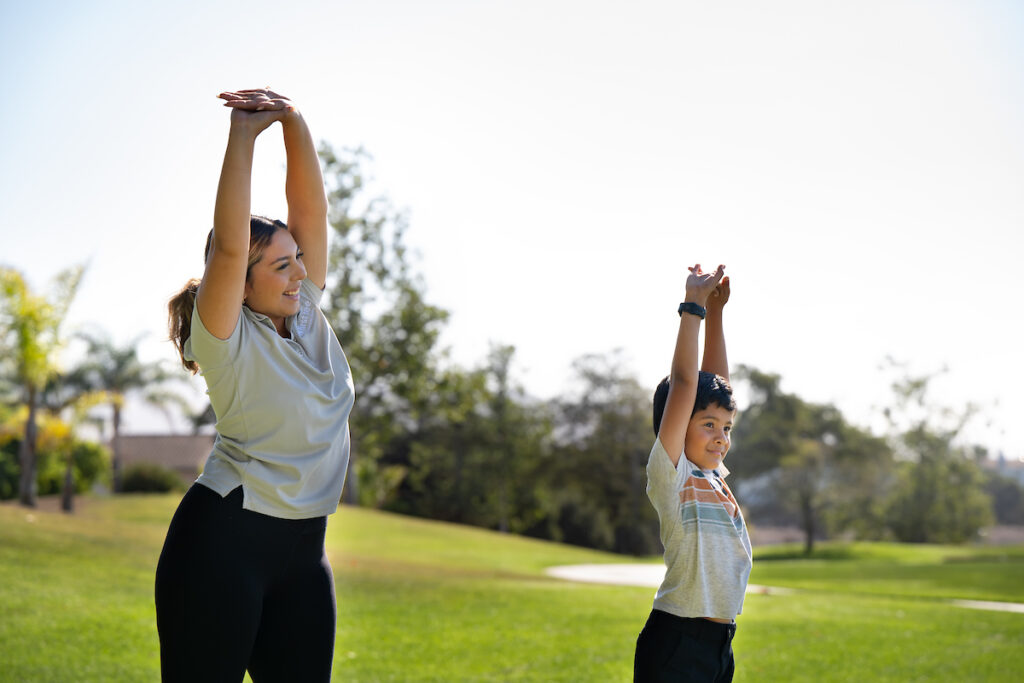
You don’t need a full golf course to work on fundamentals. If you have space, create an indoor practice area where your child can work on their grip, stance and putting stroke. A simple putting mat or even a makeshift target using household items can keep their motor memory sharp. 

The beauty of indoor practice is that it naturally encourages one of our core life skills: discipline. Even a few practice sessions a week helps maintain muscle memory and shows kids the value of consistent effort.

Make it fun for the whole family 

Winter is a perfect time to make golf a shared family experience. Watch professional tournaments together and talk about the life skills you see on display, including how players handle disappointment, show respect to competitors or demonstrate perseverance through a tough round. 

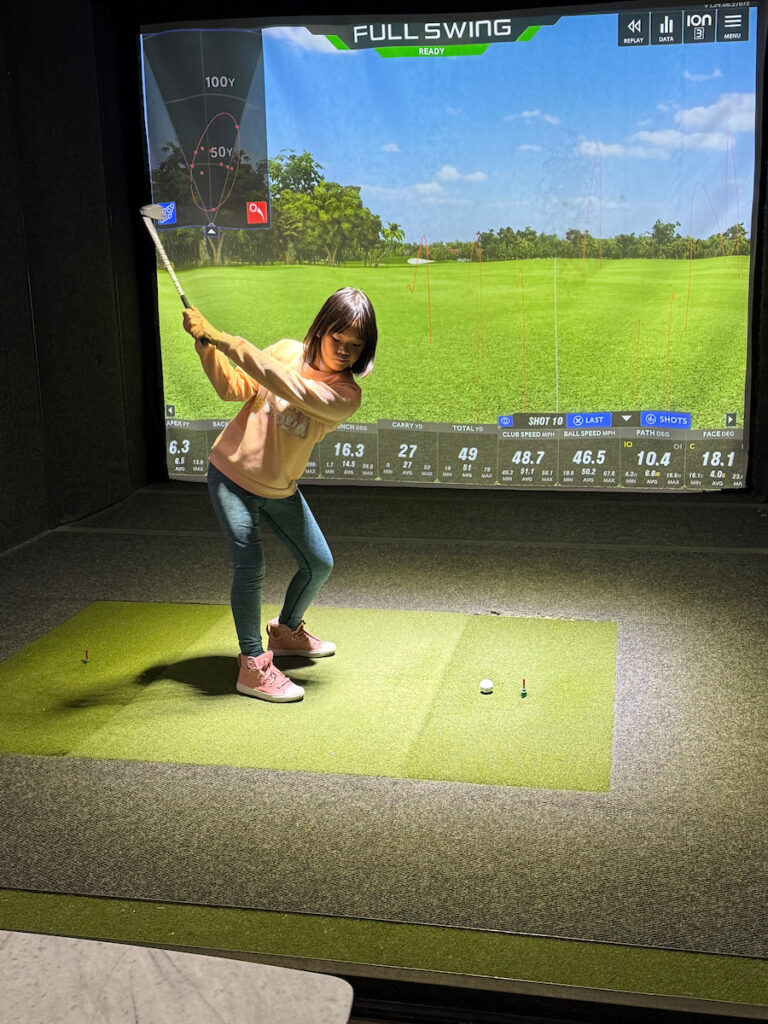
Many communities have golf simulators where the junior golfers can join their whole family to play together regardless of the weather outside. These shared experiences reinforce that golf is a lifelong pursuit that brings people together. 

Stay connected to the First Tee community 

Encourage your child to stay connected with their junior golf coaches and fellow participants. Many First Tee Chapters offer winter programming or access to the First Tee app, keeping kids engaged even when they can’t be on the course. These connections remind young people that they’re part of something bigger than themselves. 

Perhaps most importantly, continue the conversations that started at First Tee. When your child faces a challenge at school or in their personal life, reference the life skills they’ve learned in the program.  

These conversations help cement the understanding that the values learned through golf apply everywhere. Winter is an ideal time to deepen these lessons without the busy pace of summer schedules.